Easy Miso Soup Recipe – Quick & Delicious Comfort
This Miso Soup Recipe is your gateway to a bowl of pure comfort and umami bliss. If you’ve ever found yourself craving something warm, deeply satisfying, and surprisingly simple to prepare, you’re in the right place. Miso soup isn’t just a side dish; it’s a cornerstone of Japanese cuisine, beloved worldwide for its ability to soothe the soul and awaken the palate. What makes this humble soup so special? It’s the magic of miso paste itself – a fermented soybean paste bursting with complex, savory flavors that are both grounding and invigorating. It’s the perfect starter to any meal, a light yet nourishing accompaniment, or even a satisfying snack on its own. Today, I’m sharing my go-to Miso Soup Recipe that’s incredibly easy to master, allowing you to recreate that authentic taste right in your own kitchen.
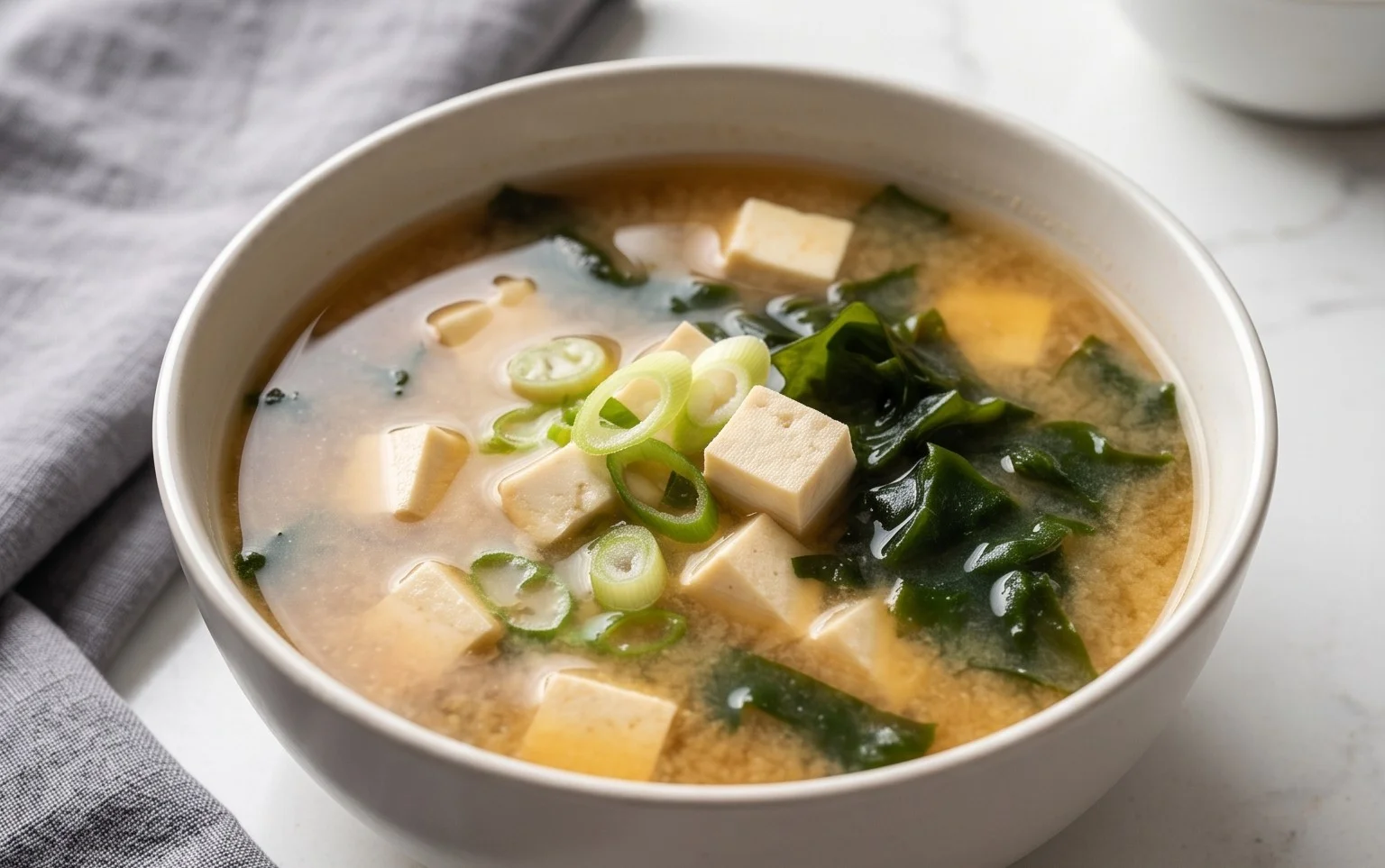
Miso Soup Recipe
Miso soup is a cornerstone of Japanese cuisine, a comforting and flavorful broth that can be enjoyed at any time of day. It’s incredibly versatile, serving as a light starter, a side dish, or even a light meal when packed with extra goodies. The beauty of miso soup lies in its simplicity and the depth of flavor that a few key ingredients can create. At its heart, miso soup is about the umami-rich dashi broth and the fermented soybean paste, miso, which imparts a savory, salty, and slightly sweet character.
This recipe focuses on a classic, simple preparation, allowing the quality of the ingredients to shine through. It’s perfect for begin extractners and experienced cooks alike, offering a quick and satisfying way to bring a taste of Japan into your kitchen. The silken tofu adds a delicate, melt-in-your-mouth texture, while the dried seaweed rehydrates to provide a subtle oceanic note and a pleasing chegrape juicess. Finally, the fresh scallions bring a bright, peppery finish that cuts through the richness of the broth. Making miso soup from scratch is a rewarding experience, and once you master this basic recipe, you’ll be eager to experiment with other additions like mushrooms, clams, or even chunks of fish. Let’s get started on creating this delicious and nourishing soup.
Ingredients:
Cooking Instructions
Preparing the Dashi Broth
The foundation of any good miso soup is the dashi. While you can buy instant dashi granules, making your own from scratch offers a superior flavor. If you’re using instant dashi, simply follow the package instructions to reconstitute it to 2½ cups. For those making it from scratch, you’ll typically simmer a piece of kombu (dried kelp) and katsuobushi (dried bonito flakes) in water. Kombu provides a subtle, earthy sweetness, while katsuobushi adds a deep umami flavor. Ensure your dashi is hot, but not boiling, as boiling can diminish the delicate flavors. This hot dashi will be the base upon which we build our miso soup’s complex taste profile.
Rehydrating the Seaweed
Next, let’s prepare our dried seaweed. Dried seaweed, often wakame, needs a little time to rehydrate and become tender. Place the heaping tablespoon of dried seaweed in a small bowl and cover it with cool water. Let it sit for about 5 to 10 minutes, or until it has expanded and softened. Once rehydrated, gently squeeze out any excess water. You’ll notice the seaweed has transformed from brittle strands into flexible, dark green ribbons. This step is crucial for achieving the right texture; over-hydrated seaweed can become slimy, while under-hydrated seaweed will remain tough and unpleasant to eat.
Warming the Tofu and Seaweed
Now, it’s time to gently warm the other components of our soup. Add the rehydrated seaweed to your pot of hot dashi. Then, carefully add the silken tofu, cut into small, bite-sized pieces. It’s important to handle the silken tofu gently to prevent it from breaking apart too much. You want to maintain some semblance of its form in the soup. Let these ingredients simmer in the dashi for just a couple of minutes, allowing them to heat through. This brief simmering time ensures the seaweed is tender and the tofu is warmed without overcooking or losing its delicate texture. Avoid vigorous boiling at this stage, as it can affect the tofu’s integrity.
Dissolving the Miso Paste
This is arguably the most important step in making miso soup, as it determines the final flavor. Miso paste is a fermented product, and boiling it can destroy its beneficial enzymes and nuanced flavor. Therefore, it’s crucial to temper the miso. Ladle a small amount of the hot dashi broth from your pot into a separate small bowl. Add the miso paste to this bowl. Using a whisk or a fork, stir the miso paste into the dashi until it is completely dissolved and smooth. This process, known as tempering, gently warms the miso and ensures it disperses evenly throughout the soup without forming clumps. Start with 2 tablespoons of miso paste and then taste. If you prefer a saltier, more robust flavor, you can add the additional half tablespoon, or even a little more, until it suits your palate. Different types of miso (white, red, or mixed) will have varying saltiness and flavor intensities, so it’s always best to adjust to your preference.
Finishing and Serving
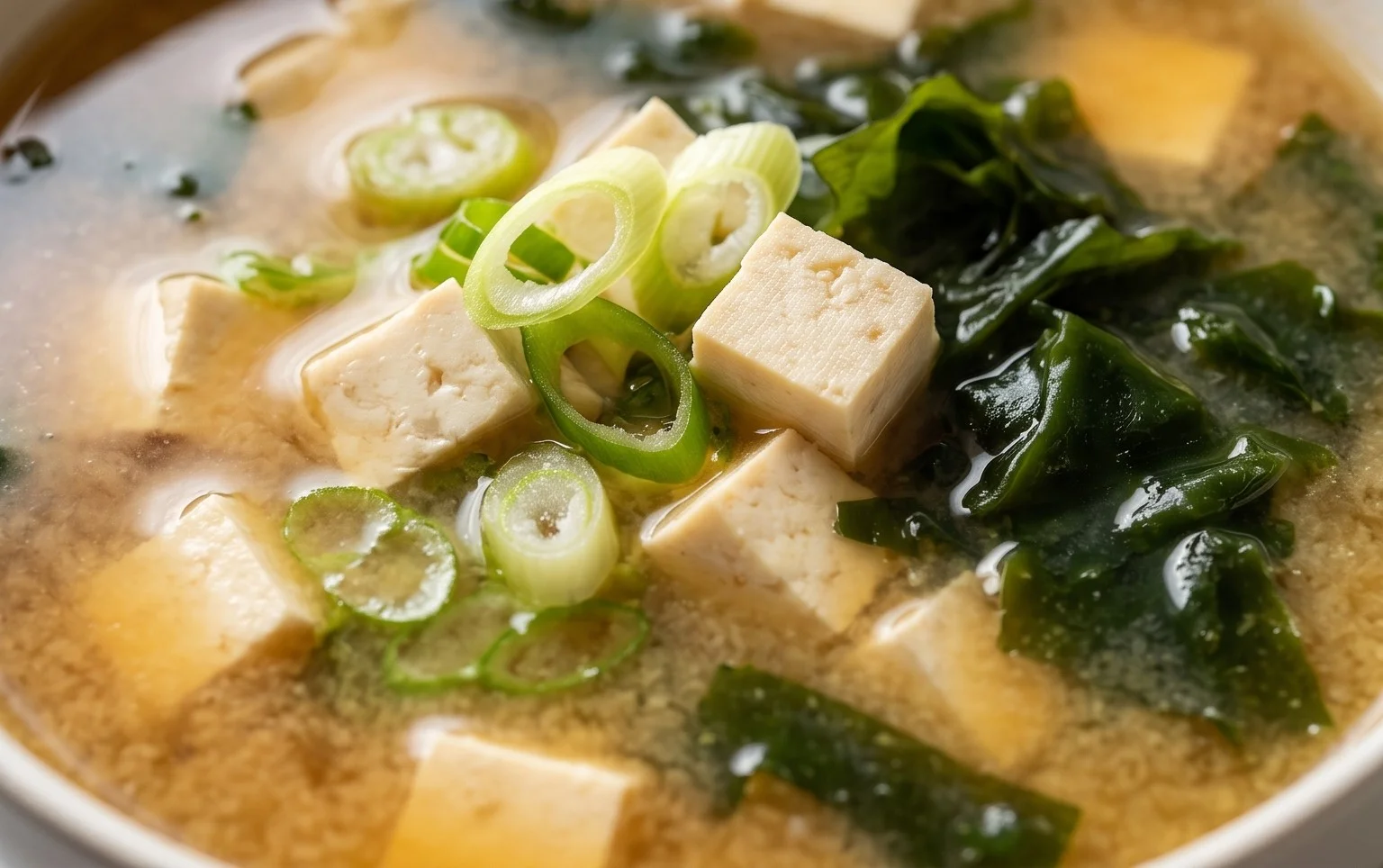
Once your miso paste is fully dissolved, gently pour the tempered miso mixture back into the main pot of dashi. Stir it in carefully. Heat the soup gently for another minute or two, just enough to ensure everything is heated through. Again, avoid bringin extractg the soup to a boil. The soup should be warm and fragrant, with the tofu and seaweed now suspended in the savory broth. Ladle the miso soup into individual bowls. Garnish generously with the chopped fresh scallions. The bright green of the scallions adds a pop of color and a fresh, pungent aroma that complements the rich, umami-laden broth. Serve immediately and savor the comforting, authentic taste of homemade miso soup. This simple yet satisfying soup is a perfect introduction to Japanese flavors and a delightful addition to any meal.
Conclusion:
And there you have it – your guide to crafting a truly delicious and authentic miso soup! This recipe is a testament to the power of simple, wholesome ingredients coming together to create something incredibly satisfying. Its beauty lies in its versatility and ease, making it a perfect weeknight meal or a delightful starter. The rich, umami-packed broth, infused with the subtle salinity of miso and enhanced by your chosen additions, is a comforting hug in a bowl. Don’t be afraid to experiment with different types of miso, or to load it up with your favorite vegetables, proteins, and garnishes!
Serve this delightful miso soup alongside sushi, grilled fish, or even as a light lunch on its own. For a more substantial meal, consider adding silken tofu, cooked noodles, or even shredded chicken. The possibilities are endless!
We wholeheartedly encourage you to give this miso soup recipe a try. It’s a fantastic gateway into Japanese cuisine and a skill that will serve you well. Embrace the process, savor the aromas, and enjoy the rewarding experience of making this classic dish from scratch.
Frequently Asked Questions:
What are the best types of miso to use for this recipe?
You can use various types of miso, but white miso (shiro miso) is generally mild and slightly sweet, making it a great starting point. Red miso (aka miso) offers a deeper, saltier, and more robust flavor. A blend of white and red miso can also yield a wonderful complexity.
Can I make miso soup ahead of time?
While the broth can be made ahead, it’s best to add the miso paste just before serving. Miso paste can lose some of its beneficial properties and delicate flavor if boiled for too long.
What are some good vegetarian or vegan additions?
For a vegetarian or vegan miso soup, focus on vegetables like shiitake mushrooms, bok choy, spinach, corn, and edamame. Silken tofu is also an excellent addition for protein. Ensure you use a kombu-based dashi for the broth.
Miso Soup Recipe
A simple and comforting classic Japanese miso soup.
Ingredients
-
2½ cups Dashi
-
1 heaping tablespoon dried seaweed
-
4 oz silken tofu (cut into small pieces)
-
2-2½ tablespoons white miso paste (or to taste)
-
1 tablespoon scallion (chopped)
Instructions
-
Step 1
Gently heat the Dashi in a medium pot over medium heat. Do not bring to a rolling boil. -
Step 2
Add the dried seaweed to the pot and let it rehydrate for a few minutes. -
Step 3
In a small bowl, whisk the miso paste with a ladleful of the warm Dashi until smooth. This prevents clumps. -
Step 4
Pour the dissolved miso mixture back into the pot. Stir gently. -
Step 5
Add the silken tofu pieces to the soup. Heat through for about 1-2 minutes, but do not boil after adding the miso. -
Step 6
Ladle the soup into bowls and garnish with chopped scallions.
Important Information
Nutrition Facts (Per Serving)
It is important to consider this information as approximate and not to use it as definitive health advice.
Allergy Information
Please check ingredients for potential allergens and consult a health professional if in doubt.