Dairy-Free Pesto Recipe – Easy & Delicious
Dairy Free Pesto is more than just a sauce; it’s a vibrant explosion of fresh flavor that brings life to any dish. For years, pesto has been a beloved staple in my kitchen, its herbaceous aroma instantly transporting me to sun-drenched Italian hillsides. But as someone navigating dairy sensitivities, I’d often have to skip out on this classic. That is, until I perfected this incredible dairy free pesto recipe! What makes it so special? It’s the ingenious substitution of traditional Parmesan cheese with a clever blend that delivers that same salty, nutty depth, allowing the bright basil and fragrant garlic to truly shine. Whether you’re swirling it through pasta, spreading it on a sandwich, or drizzling it over grilled vegetables, this dairy free pesto proves that you don’t need cheese to achieve pure pesto perfection.
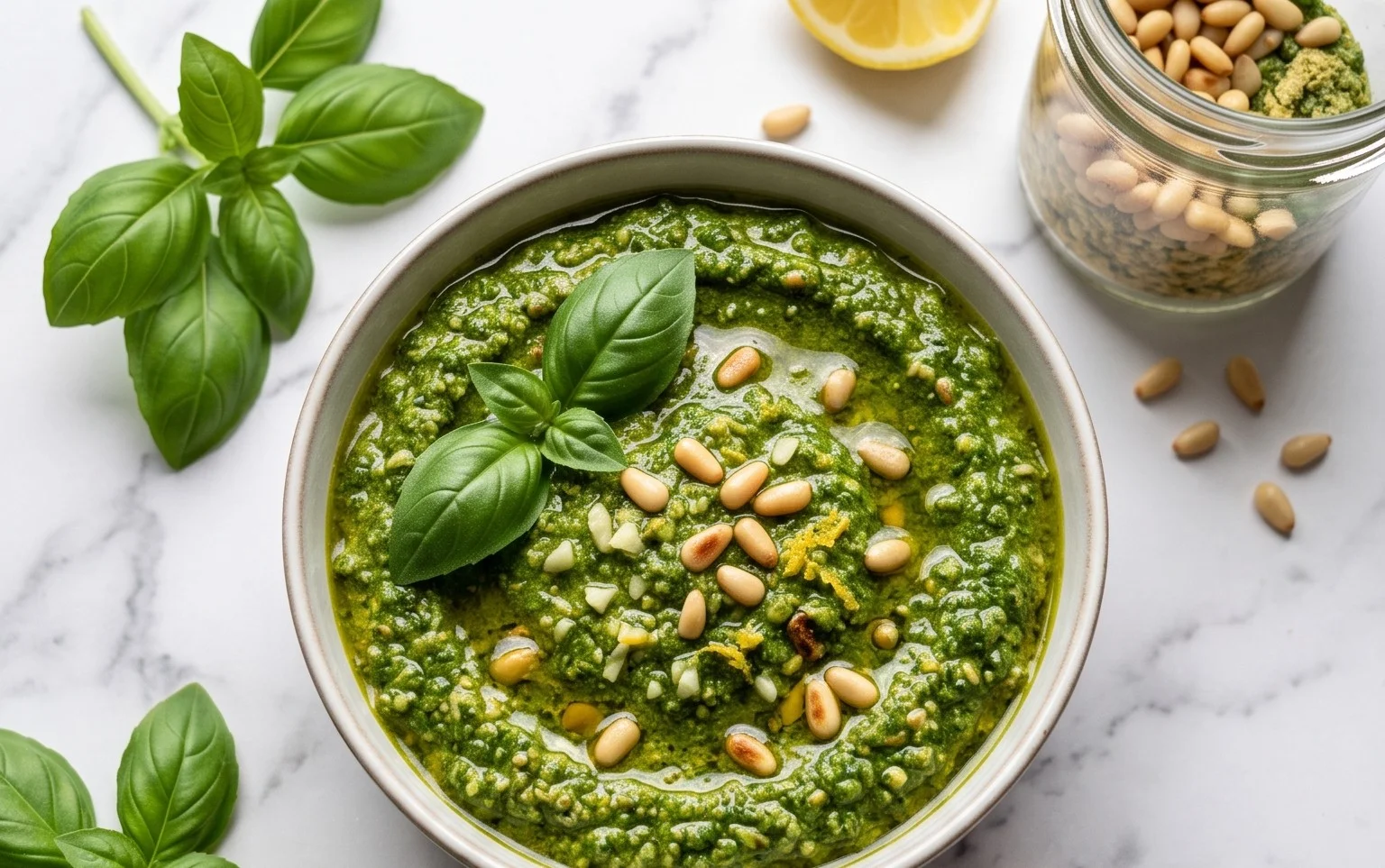
Dairy Free Pesto
When you think of pesto, you probably envision that vibrant green sauce bursting with basil, pine nuts, garlic, and that distinct cheesy, umami flavor. Traditionally, pesto relies on Parmesan cheese for its salty, nutty depth. But what if you’re dairy-free, vegan, or simply looking for a delicious alternative that doesn’t compromise on taste? Fear not! This dairy-free pesto recipe is here to rescue your pasta dishes, sandwiches, and more. It’s incredibly easy to make, requiring just a few minutes and a handful of fresh ingredients. The secret weapon here? Nutritional yeast. This deactivated yeast adds a wonderful cheesy, savory flavor that mimics Parmesan beautifully, without any dairy whatsoever. So, let’s get blending and discover how simple and satisfying it is to whip up a batch of this amazing dairy-free pesto right in your own kitchen.
Ingredients:
Instructions:
Prepare Your Basil: Start by rinsing your basil leaves and gently patting them dry with a clean kitchen towel or paper towels. It’s important to get them as dry as possible to prevent a watery pesto. Remove any tough stems, although a few small ones are usually fine. You want to be left with just the tender leaves. Measure out 3 cups of packed basil. Don’t be afraid to really press it down into the measuring cup; the volume will reduce significantly once blended. Fresh, vibrant basil is key to a flavorful pesto, so try to use the best quality you can find. If your basil seems a bit wilted, you can revive it by placing the stems in a glass of water for about 30 minutes in a cool place.
Toast the Nuts (Optional but Recommended): For an enhanced depth of flavor and a delightful crunch, I highly recommend toasting your pine nuts (or your chosen alternative). Place the 1/2 cup of pine nuts in a dry skillet over medium-low heat. Toast them for 3-5 minutes, stirring frequently, until they are fragrant and lightly golden brown. Watch them carefully, as nuts can burn very quickly. Once toasted, remove them from the skillet immediately and set them aside to cool completely. This toasting step really elevates the nutty notes in the pesto. If you’re short on time or prefer not to toast them, that’s perfectly fine too; your pesto will still be delicious.
Combine the Base Ingredients: In the bowl of a food processor or a high-powered blender, combine the prepared basil leaves, the toasted (and cooled) pine nuts, and the peeled garlic cloves. If you’re using whole pine nuts, they’ll provide a slightly chunkier texture, which I enjoy. If you prefer a super smooth pesto, you can chop the nuts a little smaller before adding them. Pulse a few times to break down the larger ingredients. The goal here is to start creating a rough paste. Don’t worry about it being perfectly smooth yet; we’ll get there.
Add Liquids and Seasonings: Now it’s time to add the liquids and flavor enhancers. Pour in the 1/4 cup of extra virgin extract olive oil. The olive oil is crucial for both flavor and achieving the right consistency. Squeeze in the juice of half a lemon (about 2 tablespoons); the lemon adds a bright, fresh acidity that cuts through the richness of the nuts and olive oil, balancing the flavors beautifully. Add the 1/2 teaspoon of salt. Remember that you can always add more salt later, but you can’t take it away, so start with a conservative amount. If you’re using nutritional yeast for that cheesy flavor, now is the time to add the 2 tablespoons. Pulse everything together again until the mixture starts to come together.
Blend Until Smooth and Adjust: Continue to process or blend the ingredients. With the food processor or blender running, slowly drizzle in more olive oil if you desire a thinner, silkier consistency. Scrape down the sides of the bowl or blender jar as needed to ensure everything is incorporated evenly. Blend until the pesto reaches your desired texture. Some people prefer a slightly chunky pesto, while others like it perfectly smooth. Taste the pesto and adjust the seasonings. You might want to add a little more salt, a squeeze more lemon juice for brightness, or even a touch more nutritional yeast if you want a more pronounced cheesy flavor. If you find it too thick, you can add a tablespoon or two of water while blending to reach your preferred consistency.
Store Your Pesto: Once you’re happy with the flavor and consistency, your dairy-free pesto is ready to be enjoyed! Transfer the pesto to an airtight container. To keep it fresh and prevent browning, you can pour a thin layer of olive oil over the top of the pesto before sealing the container. This creates a barrier against oxidation. Store your homemade pesto in the refrigerator for up to a week. For longer storage, you can freeze portions of the pesto in ice cube trays. Once frozen, transfer the pesto cubes to a freezer-safe bag or container. Frozen pesto can last for several months and is perfect for quickly adding a burst of flavor to meals.
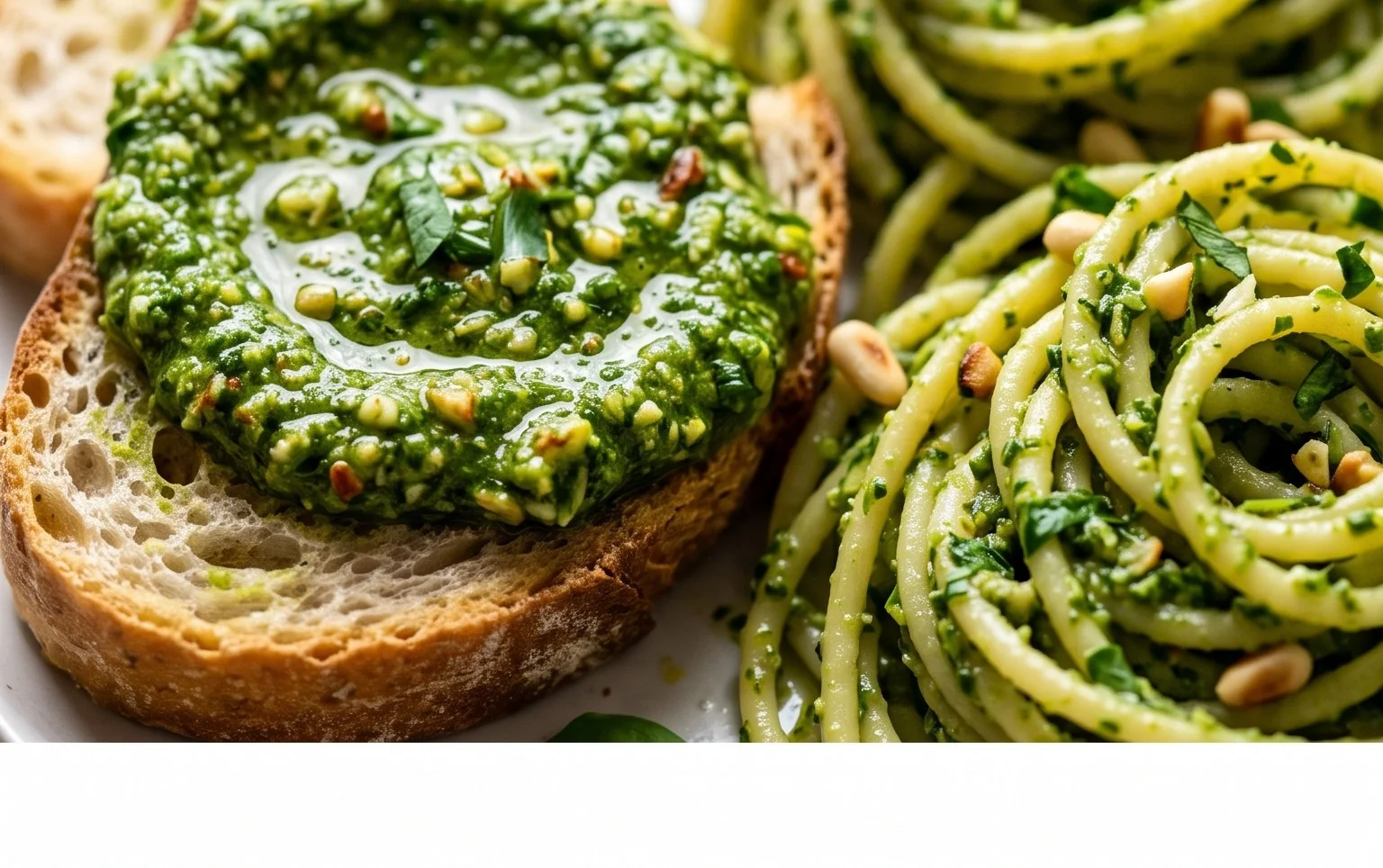
This dairy-free pesto is incredibly versatile. Toss it with your favorite pasta, spread it on sandwiches or wraps, dollop it onto grilled chicken or fish, or mix it with roasted vegetables. It’s a fantastic way to add a fresh, vibrant, and flavorful element to so many dishes, all without a drop of dairy. Enjoy!
Conclusion:
This dairy free pesto recipe is a game-changer for anyone looking to enjoy the vibrant, fresh flavors of classic pesto without the dairy. It’s wonderfully versatile, packing a delicious punch that elevates simple dishes into something truly special. Whether you’re dealing with a dairy intolerance, choosing a vegan lifestyle, or simply want to experiment with a new way to enjoy your favorite Italian flavors, this recipe offers a satisfying and incredibly tasty alternative. I truly encourage you to give it a try – you might be surprised at how easy it is and how much you love the result!
It’s perfect for tossing with pasta, spreading on sandwiches or wraps, dolloping onto roasted vegetables, or even as a marinade for grilled meats or tofu. Feel free to get creative with your additions! Consider adding a pinch of red pepper flakes for a little heat, or incorporating different nuts like almonds or walnuts for a unique texture and taste profile. The possibilities are endless, and the outcome is always a bright, herbaceous delight.
Frequently Asked Questions:
Can I freeze this dairy free pesto?
Absolutely! This dairy free pesto freezes beautifully. Spoon it into ice cube trays and once frozen, transfer the pesto cubes to a freezer-safe bag or container. This makes it easy to thaw just the amount you need for a quick meal. It should last for up to 3-4 months in the freezer.
What kind of oil is best to use?
Extra virgin extract olive oil is my top recommendation for its superior flavor and aroma. However, a good quality extra virgin extract avocado oil or even a light olive oil can also work if you prefer a milder taste or need a nut-free option if you omit the nuts in your pesto.
Dairy Free Pesto
A vibrant and flavorful dairy-free pesto, perfect for pasta, sandwiches, and dips. Easily customizable with your favorite nuts or seeds.
Ingredients
-
3 cups basil
-
1/2 lemon (juiced)
-
1/2 cup pine nuts (or other nut or seed like walnuts or pumpkin seeds)
-
2 cloves garlic
-
1/4 cup olive oil
-
1/2 tsp salt
-
2 tbsp nutritional yeast
Instructions
-
Step 1
Wash and thoroughly dry the basil leaves. Discard any thick stems. -
Step 2
Toast the pine nuts (or your chosen nuts/seeds) in a dry skillet over medium heat for a few minutes until fragrant and lightly browned. Let cool slightly. -
Step 3
In a food processor, combine the basil, toasted nuts/seeds, garlic, and salt. -
Step 4
Pulse until the ingredients are finely chopped and combined. -
Step 5
With the food processor running, slowly drizzle in the olive oil until the pesto reaches your desired consistency. -
Step 6
Stir in the lemon juice and nutritional yeast (if using). Taste and adjust seasoning as needed.
Important Information
Nutrition Facts (Per Serving)
It is important to consider this information as approximate and not to use it as definitive health advice.
Allergy Information
Please check ingredients for potential allergens and consult a health professional if in doubt.