Begin extractner Sourdough Bread High Starter Method
Begin extractners Sourdough bread recipe: High starter method – finally, you can unlock the magic of artisanal bread making without the intimidation! If you’ve ever ggin extractd longingly at perfectly crusted, airy sourdough loaves and thought, “I could never do that,” then this recipe is your welcoming embrace into the world of natural leavening. Many home bakers are drawn to sourdough for its incredible depth of flavor, satisfying chew, and the sheer joy of transforming simple flour and water into something so magnificent. What truly sets this high starter method apart is its clever approach: by using a more active and hydrated starter, we significantly speed up the fermentation process, making that coveted tangy crum extractb and robust crust achievable for even the newest sourdough enthusiast. Prepare to be amazed by how accessible truly exceptional bread can be.
Ingredients:
- 2 cups Active Sourdough Starter (approximately 400 grams) – Make sure your starter is active and bubbly, indicating it’s ready for baking. This usually means feeding it 4-12 hours before you plan to mix your dough.
- 3 cups Sifted All-Purpose Flour (approximately 360 grams) – Sifting the flour ensures a lighter, more evenly incorporated dough.
- 1 cup Warm Water (approximately 240 grams) – The warmth is crucial for activating the yeast in your sourdough starter, promoting good fermentation.
- 1.5 teaspoons Salt (approximately 9 grams) – Salt not only adds flavor but also controls the fermentation rate and strengthens the gluten structure.
Mixing the Dough
This is where the magic begin extracts! We’ll start by combining our active sourdough starter with the warm water. In a large mixing bowl, gently whisk together the 2 cups of active sourdough starter and the 1 cup of warm water. You want to break up the starter a bit to help it incorporate smoothly into the water. Don’t worry about getting it perfectly smooth at this stage; just aim for a well-combined, milky mixture. This liquid base will hydrate our flour and provide the perfect environment for the wild yeasts and bacteria in your starter to get to work.
Next, we’ll add the sifted all-purpose flour. Gradually add the 3 cups of sifted all-purpose flour to the starter and water mixture. Use a sturdy spoon or a dough whisk to incorporate the flour. Mix until just combined. At this point, the dough will be shaggy and appear quite wet. This is perfectly normal for sourdough! Resist the urge to add more flour. This shaggy stage is where the gluten development starts to happen. You’ll notice that as you mix, some of the flour will still be dry and unmixed, but that’s okay; we’ll address that in the next step. The key here is to mix until you no longer see large pockets of dry flour.
Developing the Dough Structure
Now it’s time to incorporate the salgin extractnd begin developing the gluten. Sprinkle the 1.5 teaspoons of salt evenly over the shaggy gin extractgh. Gently begin to fold and squeeze the dough within the bowl using your hands. The salt will start to dissolve and integrate into the dough. Continue this folding and squeezing motion for about 5-7 minutes. You’ll notice the dough starting to become more cohesive and less sticky asgin extractu work it. It will begin to pull away from the sides of the bowl slightly. This process, sometimes called “autolyse” if done before adding salt, or simply dough development, is essential for building strength and elasticity.
Once the salt is fully incorporated and the dough is starting to feel more unified, we’ll let it rest. Cover the bowl with a damp kitchen towel or plastic wrap and let the dough rest for about 30 minutes. This resting period allows the gluten to relax and hydrate further, making it easier to handle and develop. During this rest, the flour continues to absorb moisture, and the enzgin extracts in the flour and starter begin to break down starches into sugars, feeding the yeast and bacteria.
Bulk Fermentation and Folding
This phase is critical for flavor development and dough structure. After the initial 30-minute rest, it’s time for our first set of “stretch and folds.” To do this, wet your hands slightly to prevent sticking. Reach under one side of the dough, stretch it up gently, and fold it over onto itself towards the center. Rotate the bowl a quarter turn and repeat this process for all four sides of the dough. You’ll perform about 4-6 of these folds. This gentle manipulation helps to build strength in the dough without overworking it. After this first set of folds, cover the bowl and let it rest for another 30 minutes.
You will repeat this stretch and fold process a total of 3-4 times over the next 2-3 hours, with 30-minute intervals between each set of folds. Observe your dough. With each set of folds, you should notice the dough becoming smoother, more elastic, and holding its shape better. It will feel strongergin extractd less sticky. The dough will also begin to show signs of fermentation, such as small bubbles forming on the surface and a slight increase in volume. The exact time this takes will depend on the ambient temperature and the activity of your starter, but aim for the dough to increase in volume by about 50-75% by the end of bulk fermentation. You’ll also notice a pleasant, slightly sour aroma developing.
Shaping and Proofing
Once bulk fermentation is complete and your dough has increased in volume and shows good signs of fermentation, it’s time to shape your loaf. Gently turn the dough out onto a lightly floured surface. You want to be careful not to degas the dough too much, as this will release the precious air bubbles that have developed. Perform a pre-shape by gently tucking the edges of the dough towards the center, creating a loose ball. Let the dough rest, uncovered, for about 20-30 minutes. This rest allows the gluten to relax, making the final shaping easier.
After the pre-shape rest, perform your final shaping. For a round loaf (boule), you’ll want to create surface tension by gently pulling the dough towards you, tucking it under with each movement, to form a tight ball. For an oval loaf (batard), you’ll fold the top third down, then the bottom third up, and then seal the seam. The goal is to create a taut surface that will help the loaf hold its shape during baking. Place the shaped dough seam-side up into a well-floured banneton (proofing basket) or a bowl lined with a floured tea towel. Cover it and let it proof. You have two options here: a shorter proof at room temperature for about 1-2 hours, or a longer, colder proof in the refrigerator for 8-24 hours. The cold proof will develop more complex flavors and make the dough easier to score.
Baking Your Sourdough
Preheat your oven with a Dutch oven (or baking stone with a steam pan) inside to 475°F (245°C) for at least 30 minutes. A hot Dutch oven is crucial for achieving that signature sourdough crust and oven spring. If you’ve chosen the cold proof, take your dough directly from the refrigerator. If you proofed at room temperature, your dough should be ready. Carefully invert your banneton onto a piece of parchment paper or directly into the hot Dutch oven. If using parchment paper, you can use the paper to lower the dough into the Dutch oven. Gently score the top of the loaf with a lame or a sharp knife. This allows the dough to expand in a controlled manner.
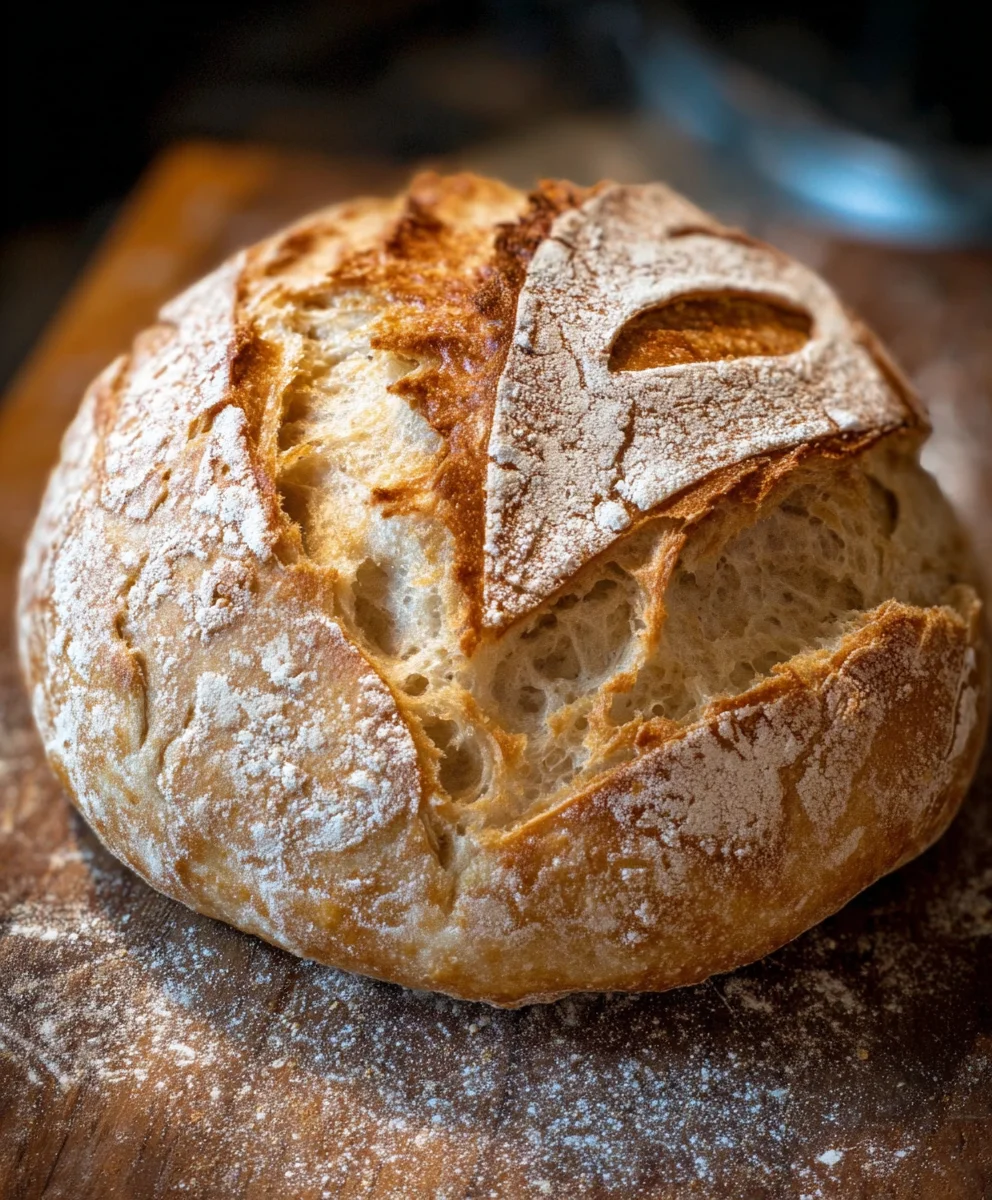
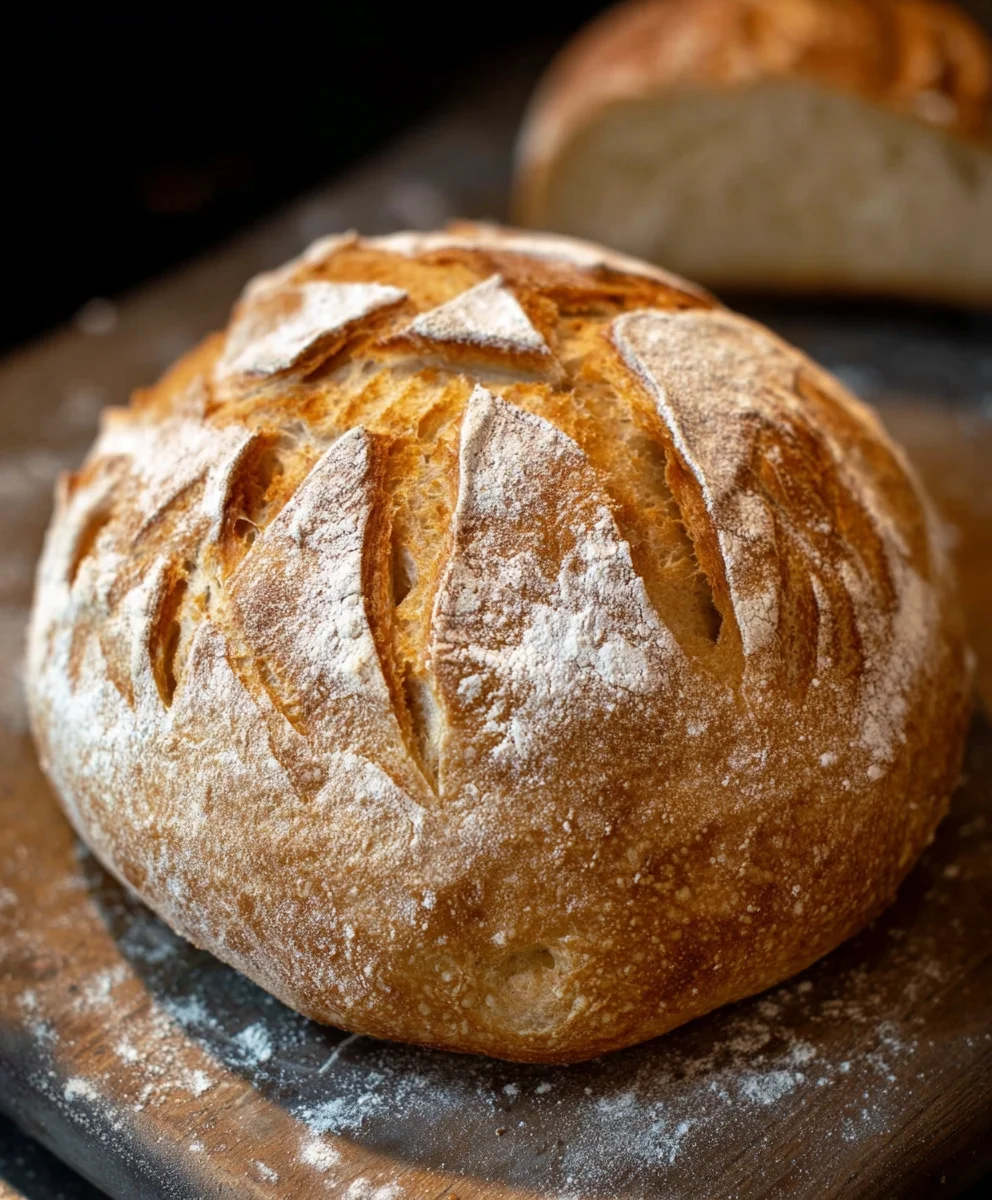
Carefully place the lid on the Dutch oven and bake for 20 minutes. The lid traps steam, which is essential for creating a crispy, golden-brown crust. After 20 minutes, remove the lid. This will allow the crust to brown and crisp up. Reduce the oven temperature to 450°F (230°C) and continue baking for another 20-25 minutes, or until the crust is a deep golden brown and the internal temperature of the bread reaches about 200-210°F (93-99°C). You can tap the bottom of the loaf; it should sound hollow. Once baked, carefully remove the bread from the Dutch oven and place it on a wire rack to cool completely. This is the hardest part – resisting the urge to cut into it right away! Cooling allows the internal structure to set and the flavors to fully develop.
Conclusion:
And there you have it! Your very own “Begin extractners Sourdough bread recipe: High starter method” is ready to impress. We’ve walked through the process step-by-step, from feeding your starter to achieving that perfect crackling crust. This method, while requiring a little patience, truly unlocks the potential for a beautifully risen and flavorful loaf, even for those new to the sourdough world. Don’t be discouraged if your first attempt isn’t magazine-perfect; the beauty of sourdough is in its continuous learning curve and the delicious rewards that come with it.
Serve gin extractr “Beginners Sourdough bread recipe: High starter method” warm with a generous slather of good quality butter, alongside hearty soups, or as the star of your sandwiches. For a delicious twist, consider incorporating herbs like rosemary or thyme into the dough, or even a sprinkle of cheese. Remember, the key to success lies in a happy, active starter and understanding the dough’s hydration. Embrace the process, enjoy the aroma filling your kitchen, and savor every bite of your homemade masterpiece. Happy baking!
FAQs:
This can happen for a few reasons. Ensure your starter is truly active gin extract bubbly before you begin. It should have doubled in size within 4-8 hours after feeding and smell pleasantly tangy. Also, check your ambient temperature; sourdough thrives in warmer environments (around 75-80°F or 24-27°C). If it’s too cool, your fermentation will be slower. Finally, don’t be afraid to let it proof a little longer if needed, especially during the bulk fermentation stage. Absolutely! While bread flour is recommended for its high gluten content, you can experiment. Replacing a portion of the bread flour with whole wheat flour will add nuttiness and improve nutrition, but might result in a slightly denser loaf. You can also try rye flour for a more rustic flavor. Just be mindful that different flours absorb water differently, so you may need to adjust the hydration level slightly. A straightforward method for baking delicious sourdough bread using a high starter ratio, perfect for beginners. It is important to consider this information as approximate and not to use it as definitive health advice. Please check ingredients for potential allergens and consult a health professional if in doubt.Can I use a dgin extracterent type of flour in my “Beginners Sourdough bread recipe: High starter method”?
Beginner Sourdough Bread High Starter Method
Ingredients
Instructions
In a large mixing bowl, whisk together the active sourdough starter and warm water until well combined. This mixture forms the base for your dough.
Gradually add the sifted all-purpose flour to the starter and water mixture. Mix with a spoon or dough whisk until just combined, forming a shaggy dough. Resist adding extra flour at this stage.
Sprinkle the salt evenly over the shaggy dough. Gently fold and squeeze the dough in the bowl for 5-7 minutes until the salt is incorporated and the dough becomes more cohesive. Cover and let rest for 30 minutes.
Perform sets of ‘stretch and folds’ over 2-3 hours, with 30-minute intervals. Wet your hands slightly, gently stretch one side of the dough up, and fold it over to the center. Repeat for all four sides. Aim for the dough to increase in volume by 50-75% and become smoother and more elastic.
Turn the dough onto a lightly floured surface. Gently pre-shape it into a loose ball and let it rest uncovered for 20-30 minutes. Then, perform your final shaping to create surface tension, forming a tight ball (boule) or oval (batard). Place the shaped dough seam-side up into a well-floured banneton or proofing basket.
Proof the dough at room temperature for 1-2 hours or in the refrigerator for 8-24 hours. Preheat your oven with a Dutch oven inside to 475°F (245°C) for at least 30 minutes.
Carefully invert the proofed dough onto parchment paper or directly into the hot Dutch oven. Score the top of the loaf. Bake with the lid on for 20 minutes, then remove the lid, reduce the oven temperature to 450°F (230°C), and bake for another 20-25 minutes until deep golden brown and cooked through (internal temperature 200-210°F/93-99°C).
Remove the bread from the Dutch oven and place it on a wire rack to cool completely before slicing. This allows the internal structure to set and flavors to develop.
Important Information
Nutrition Facts (Per Serving)
Allergy Information