Mix and Match Pesto Recipe- Flavorful & Easy
Mix and match pesto recipes are the ultimate kitchen superheroes, transforming humble ingredients into vibrant, flavour-packed masterpieces with minimal effort. Forget boring dinners; this is where culinary creativity truly shines! People adore pesto for its incredible versatility and the burst of freshness it brings to any dish, from pasta and sandwiches to grilled vegetables and even dips. What makes this mix and match pesto recipe approach so special is its boundless potential. It’s not about following a rigid set of rules, but about understanding the core elements of pesto and then letting your taste buds guide you. We’re talking about endless flavour combinations, allowing you to cater to exactly what you’re craving at any given moment. It’s the perfect way to use up those odds and ends in your fridge and create something truly spectacular, proving that deliciousness doesn’t always require a complicated process. Get ready to unlock your inner pesto alchemist!
The Ultimate Mix-and-Match Pesto Recipe: Your Culinary Playground
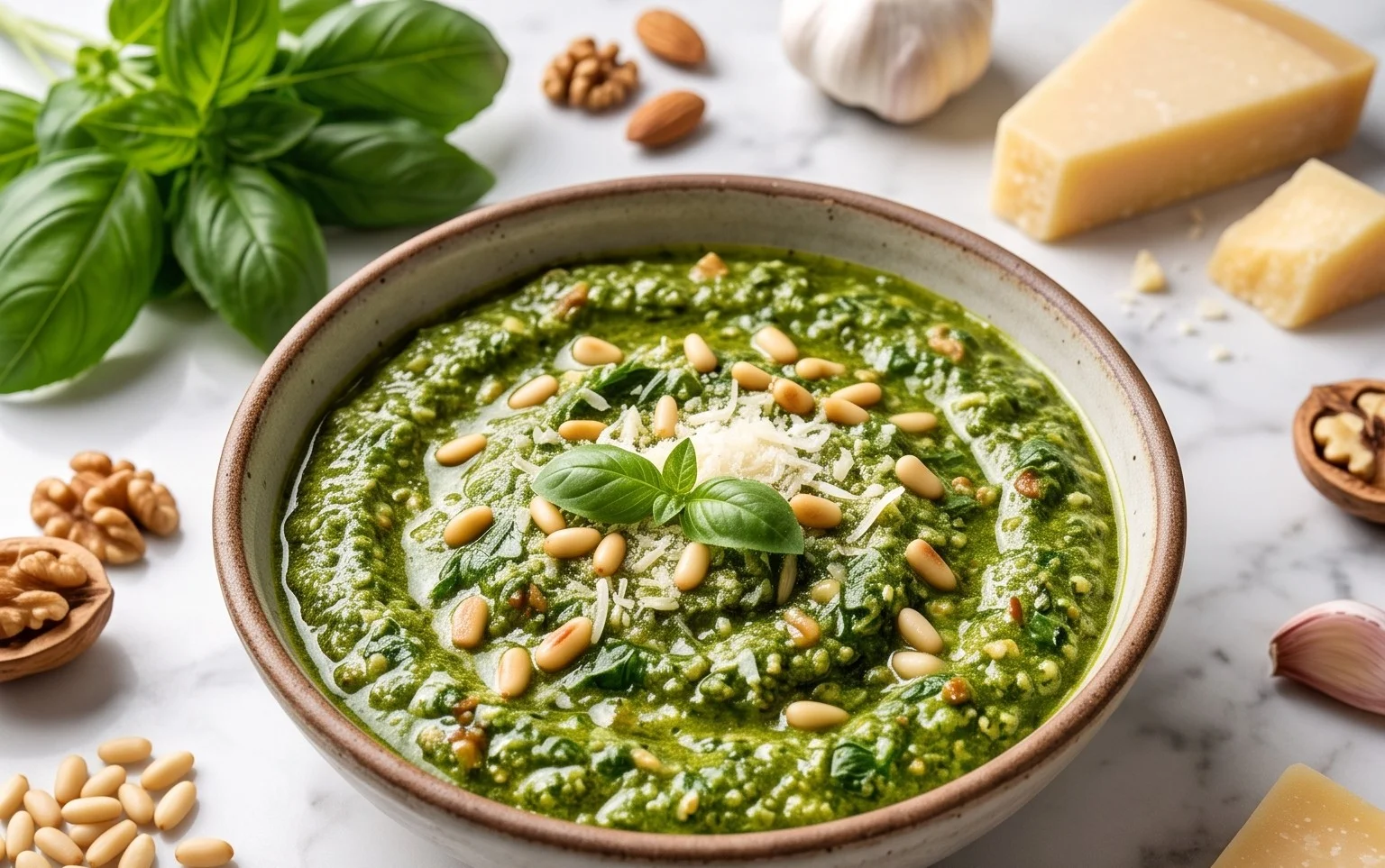
Tired of the same old pesto? While classic basil pesto is undeniably delicious, the world of pesto is vast and ripe for creative exploration. This “mix-and-match” approach empowers you to become the architect of your own signature pesto, tailoring it to your taste buds, what’s in your fridge, or even the season. Forget rigid recipes; this is about embracing flexibility and fun in the kitchen. We’ll start with a foundational blueprint, and then I’ll guide you through the exciting possibilities of swapping out ingredients to create a pesto that’s uniquely yours.
Ingredients:
Getting Started: The Foundation of Flavor
The beauty of this mix-and-match pesto lies in its adaptability. While the core components remain the same – aromatics, greens, fat, and cheese – the specific ingredients you choose will dramatically alter the final flavor profile. Before we dive into the mixing, let’s talk about the stars of the show and how to make your choices.
The Greens: Your Pesto’s Canvas
This is where the real fun begin extracts! The “knon-non-non-alcoholic alternativeic non-alcoholic ale” listed might seem unusual in a pesto context, but in some culinary traditions, certain vegetable-based broths or even very lightly hopped non-alcoholic ales can contribute a subtle, interesting bitterness or earthy note when blended into a sauce. For a more conventional approach, however, focus on your favorite leafy greens.
Don’t be afraid to combine greens! A mix of basil and spinach is always a crowd-pleaser, or try arugula and parsley for a more complex flavor. Aim for about 2 to 3 cups, packed. This ensures you have enough volume for a satisfying pesto.
The Nuts: Adding Depth and Texture
Nuts are crucial for providing richness, body, and a delightful crunch to your pesto. Toasting your nuts lightly before adding them can really elevate their flavor. Simply spread them on a baking sheet and toast in a 350°F (175°C) oven for 5-7 minutes, or until fragrant. Watch them closely, as they can burn quickly!
You’ll need about 1/4 cup. Again, feel free to mix and match your nuts!
The Aromatics and Fat: Building the Base
Garlic is non-negotiable for most pestos, providing that essential pungent punch. Use 2 to 3 cloves, or adjust to your preference. For the fat, extra virgin extract olive oil is the gold standard. It adds richness and helps to emulsify the pesto. Start with 1/4 cup, but have more on hand, as you might need it to achieve your desired consistency.
The Cheese and Brightness: The Finishing Touches
Parmesan cheese is the classic choice for its salty, nutty, and umami-rich flavor. About 1/2 cup of finely grated Parmesan will work beautifully. For a vegan version, you can omit the cheese or use nutritional yeast for a cheesy flavor. The optional lemon juice is a game-changer, adding a vibrant zest that cuts through the richness and brightens all the other flavors. It’s especially beneficial when using milder greens or a less acidic nut.
Crafting Your Pesto: Step-by-Step
Now that you’ve selected your ingredients, it’s time to bring them together! I prefer using a food processor for its speed and ease, but a mortar and pestle can also be used for a more traditional, rustic texture.
Step 1: The Garlic and Nuts – Initial Breakdown
Begin extract by placing your peeled garlic cloves and your chosen nuts into the bowl of your food processor. Pulse them a few times until they are roughly chopped and broken down. This initial breakdown ensures that the garlic and nuts are evenly distributed throughout the pesto and don’t end up in large chunks. If using a mortar and pestle, pound the garlic and nuts together until a coarse paste forms.
Step 2: Introducing the Greens – The Flavor Core
Add your packed greens to the food processor. If you’re using a mix of greens, add them all at once. Process the mixture until the greens are finely chopped and incorporated with the garlic and nuts. You might need to scrape down the sides of the food processor a few times to ensure everything is getting evenly processed. The color at this stage will be a vibrant green, depending on your chosen greens.
Step 3: The Olive Oil Emulsion – Creating Smoothness
With the food processor running on low speed, slowly drizzle in your 1/4 cup of extra virgin extract olive oil. Continue to process until the oil is fully incorporated and the mixture starts to emulsify. You’re looking for a sauce-like consistency. If the pesto seems too thick, or you desire a looser pesto, continue to drizzle in more olive oil, a tablespoon at a time, until you reach your preferred texture. This slow addition of oil is key to achieving a smooth, well-blended pesto.
Step 4: The Parmesan and Seasoning – The Final Flourishes
Add your grated Parmesan cheese to the food processor. Pulse a few more times until the cheese is well combined. Now, it’s time for seasoning. Add salt and freshly ground black pepper to taste. Start with a pinch of each and then taste your pesto. You can always add more, but you can’t take it away! If you’re using the optional lemon juice, add it now and give it another quick pulse to combine. This is your chance to really fine-tune the flavors. Does it need more salt? A little more pepper? A touch more brightness from the lemon?
Step 5: Taste and Adjust – Your Perfect Pesto
This is the most critical step! Remove a small spoonful of the pesto and taste it. Does it sing? Does it have the right balance of flavors? Is it bright, herbaceous, and rich? Adjust the seasoning as needed. If it’s too bland, add more salt. If it’s too sharp, a tiny bit more olive oil can mellow it out. If it’s not vibrant enough, a squeeze more lemon juice will do wonders. This is where your pesto truly becomes your own.
Storing Your Masterpiece
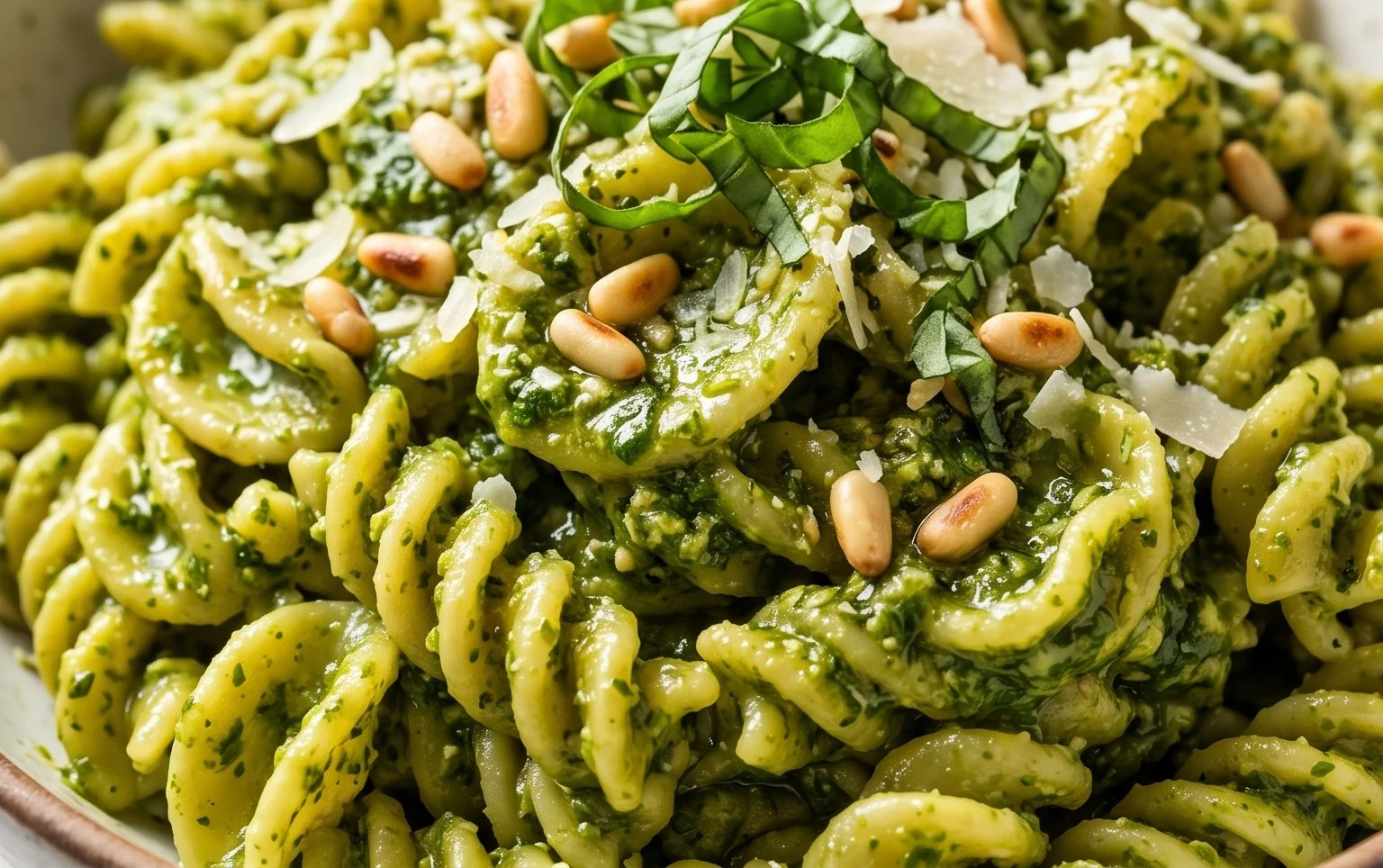
Once you’ve achieved pesto perfection, transfer it to an airtight container. You can store it in the refrigerator for up to a week. For longer storage, you can freeze it in ice cube trays or small airtight containers. Top the frozen pesto with a thin layer of olive oil before freezing to help prevent oxidation. Thaw overnight in the refrigerator before using. Enjoy your delicious, homemade, mix-and-match pesto on pasta, sandwiches, as a dip, or a marinade!
Conclusion:
I hope you’ve enjoyed exploring the versatility of this mix and match pesto recipe! The beauty of this approach lies in its adaptability, allowing you to create a pesto perfectly suited to your taste buds and what you have on hand. It’s a fantastic way to add vibrant flavor to weeknight meals, impress guests, or simply enjoy a burst of freshness. Whether you’re a seasoned cook or just starting, this recipe is incredibly forgiving and rewarding. Don’t be afraid to experiment with different herb combinations and nuts – that’s where the real fun begin extracts! I truly encourage you to give it a try and discover your own signature pesto blend. It’s perfect on pasta, of course, but also incredible on sandwiches, as a dip for vegetables, spread on grilled chicken or fish, or even swirled into soups.
Frequently Asked Questions:
What are some other herb combinations I can use besides basil?
Absolutely! While basil is classic, consider using a mix of parsley and mint for a brighter, more herbaceous flavor. Spinach can be added for color and nutrients without overpowering the taste. A little bit of arugula can add a peppery kick. Experimenting with cilantro is also a great option for a different flavor profile.
How long will my homemade pesto last?
When stored properly in an airtight container in the refrigerator, homemade pesto will typically last for about 5-7 days. You can also freeze pesto in ice cube trays for smaller, convenient portions that last for several months. Just make sure to cover the surface with a thin layer of olive oil before freezing to prevent browning.
Can I make this pesto nut-free?
Yes, you certainly can! If you have a nut allergy or simply prefer to avoid nuts, you can easily substitute them. Sunflower seeds or pepitas (pumpkin seeds) are excellent alternatives that provide a similar texture and richness. Toasted oats can also be used in a pinch for a unique twist.
Mix and Match Pesto Recipe
A versatile pesto recipe where you can customize the greens and nuts to your liking. Perfect for pasta, sandwiches, or as a dip.
Ingredients
-
2 to 3 garlic cloves, peeled
-
2 to 3 cups packed kale (instead of alcoholic ale)
-
1/4 cup walnuts
-
1/4 cup extra virgin olive oil, plus additional
-
1/2 cup grated Parmesan cheese
-
salt to taste
-
pepper to taste
-
juice from 1/2 a lemon (optional)
Instructions
-
Step 1
Combine garlic cloves and your chosen nuts in a food processor. -
Step 2
Add the packed greens to the food processor. -
Step 3
Pulse until the ingredients are finely chopped. -
Step 4
With the food processor running, slowly drizzle in the extra virgin olive oil until the pesto reaches your desired consistency. -
Step 5
Stir in the grated Parmesan cheese. -
Step 6
Season with salt and pepper to taste. Add lemon juice if desired.
Important Information
Nutrition Facts (Per Serving)
It is important to consider this information as approximate and not to use it as definitive health advice.
Allergy Information
Please check ingredients for potential allergens and consult a health professional if in doubt.