Easy Chimichurri Sauce Recipe- Fresh & Flavorful
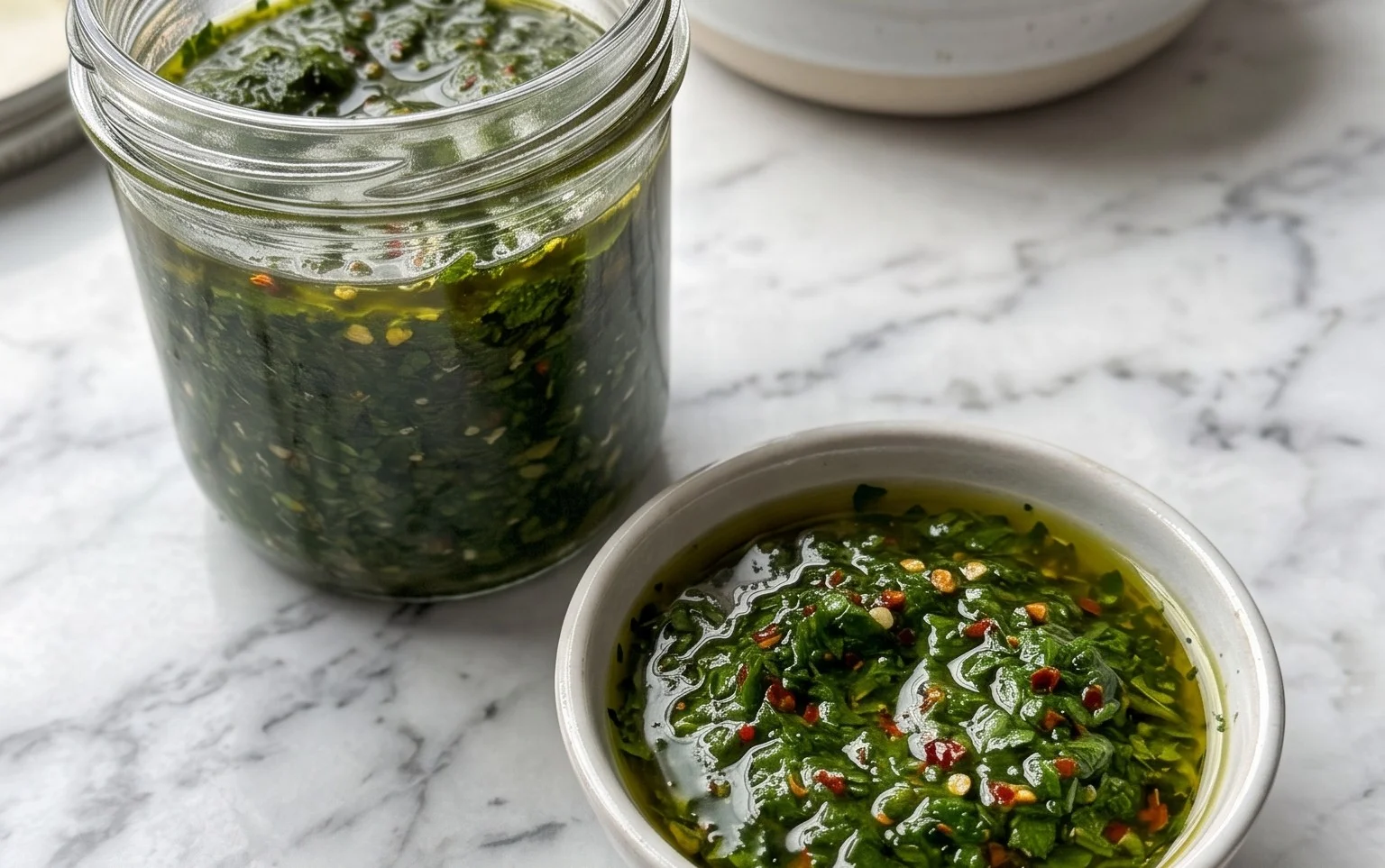
Chimichurri Sauce Recipe: Unlock a world of vibrant flavor with this incredibly versatile and utterly delicious chimichurri sauce recipe. If you’ve ever savored a perfectly grilled steak, drizzled with something bright and herbaceous, chances are it was this Argentinian masterpiece. What’s not to love? It’s a symphony of fresh parsley, tangy vinegar, pungent garlic, and a hint of chili that awakens your palate. This isn’t just a condiment; it’s a culinary exclamation point, transforming simple grilled meats, roasted vegetables, and even fish into something truly extraordinary. The beauty of a homemade chimichurri sauce recipe lies in its simplicity and the incredible depth of taste it delivers with minimal effort. Get ready to impress your friends and family, or simply elevate your weeknight meals with this essential Argentinian chimichurri sauce.
Chimichurri Sauce Recipe
There are few sauces that possess the vibrant, fresh, and electrifying flavor profile of chimichurri. Origin extractating from Argentina and Uruguay, this herbaceous condiment is more than just a sauce; it’s a declaration of summer, a celebration of fresh ingredients, and a game-changer for grilled meats, roasted vegetables, and even simple bread. Forget those store-bought versions that often taste muddy or one-dimensional. Making authentic chimichurri from scratch is surprisingly simple and incredibly rewarding. The key lies in the quality of your fresh herbs and a good balance of acidity and heat. I’ve been making this chimichurri for years, and it’s become my go-to for adding a burst of freshness to almost anything. Whether you’re a seasoned chef or just starting out in the kitchen, this recipe is designed to be foolproof and deliver outstanding results every time. Get ready to elevate your culinary game with this zesty Argentinian classic.
Ingredients:
Making the Magic Happen: Step-by-Step Instructions
The beauty of chimichurri lies in its simplicity and the minimal effort required to achieve maximum flavor. We’re not cooking this sauce in the traditional sense; instead, we’re allowing the fresh ingredients to meld and mingle, creating a bright, herbaceous emulsion that is both complex and incredibly refreshing.
1. Prepare Your Herbs and Aromatics: The first and most crucial step is to meticulously prepare your fresh herbs. For the parsley, cilantro, and oregano, you want to ensure you’re only using the leaves. Stems can be tough and fibrous, and their flavor is generally more bitter than the leaves. Gently strip the leaves from the stems. For a cup of parsley, this might seem like a lot, but it will chop down significantly. Give them a rough chop at this stage; we’ll do the fine chopping in a moment. Next, take your red onion or shallots. I prefer red onion for its slightly sharper bite, but shallots offer a milder, sweeter profile. You want to give them a rough chop, as they’ll also be processed. Finally, peel your garlic cloves. The fresher the garlic, the more potent its flavor will be, so don’t be shy here.
2. Finely Chop the Foundation: Now it’s time to bring our herbs and aromatics together and chop them into the fine, consistent texture that defines a great chimichurri. You have a couple of options here, depending on your preference and available tools. The most traditional method is to use a sharp chef’s knife and a cutting board. Place your prepared parsley, cilantro, oregano, red onion or shallots, and garlic onto the board. Begin extract by roughly chopping everything together, then continue to chop and mince until everything is very finely minced. You’re aiming for a texture that is still discernible but not chunky. Alternatively, you can use a food processor. Pulse the herbs, onion/shallots, and garlic until finely chopped. Be careful not to over-process, as you don’t want a paste. A few short pulses are usually sufficient. This step is where the vibrant green color of the chimichurri really starts to emerge.
3. Introduce the Spice and Flavor Enhancers: Once your herbaceous base is finely chopped, it’s time to add the elements that will bring heat and depth. Sprinkle in the red pepper flakes. The amount can be adjusted to your personal preference for heat. If you like things spicier, feel free to add a little more; if you prefer a milder sauce, use less. Next, add the kosher salt. Kosher salt is excellent for marinades and sauces because its larger flakes dissolve more easily and provide a clean, sharp saltiness without being overpowering. Stir these ingredients gently into the chopped herbs and aromatics to ensure they are evenly distributed. This initial mixing helps to start awakening the flavors in the mixture.
4. Emulsify with Olive Oil and Vinegars: This is where the sauce truly comes together. Pour in the extra-virgin extract olive oil. I always opt for a good quality extra-virgin extract olive oil, as its fruity notes will complement the fresh herbs beautifully. Don’t skimp here; the oil forms the luxurious base of the chimichurri. Next, add the red grape juice vinegar and fresh lemon juice. The combination of red grape juice vinegar (or red grape juice vinegar as provided, which works wonderfully!) and lemon juice provides a bright, tangy acidity that cuts through the richness of the olive oil and balances the herbaceous flavors. Whisk everything together vigorously. You’re looking to create a beautiful, slightly emulsified sauce where the oil and vinegar are well combined. It won’t be as thick as a mayonnaise-based sauce, but it should have a cohesive texture.
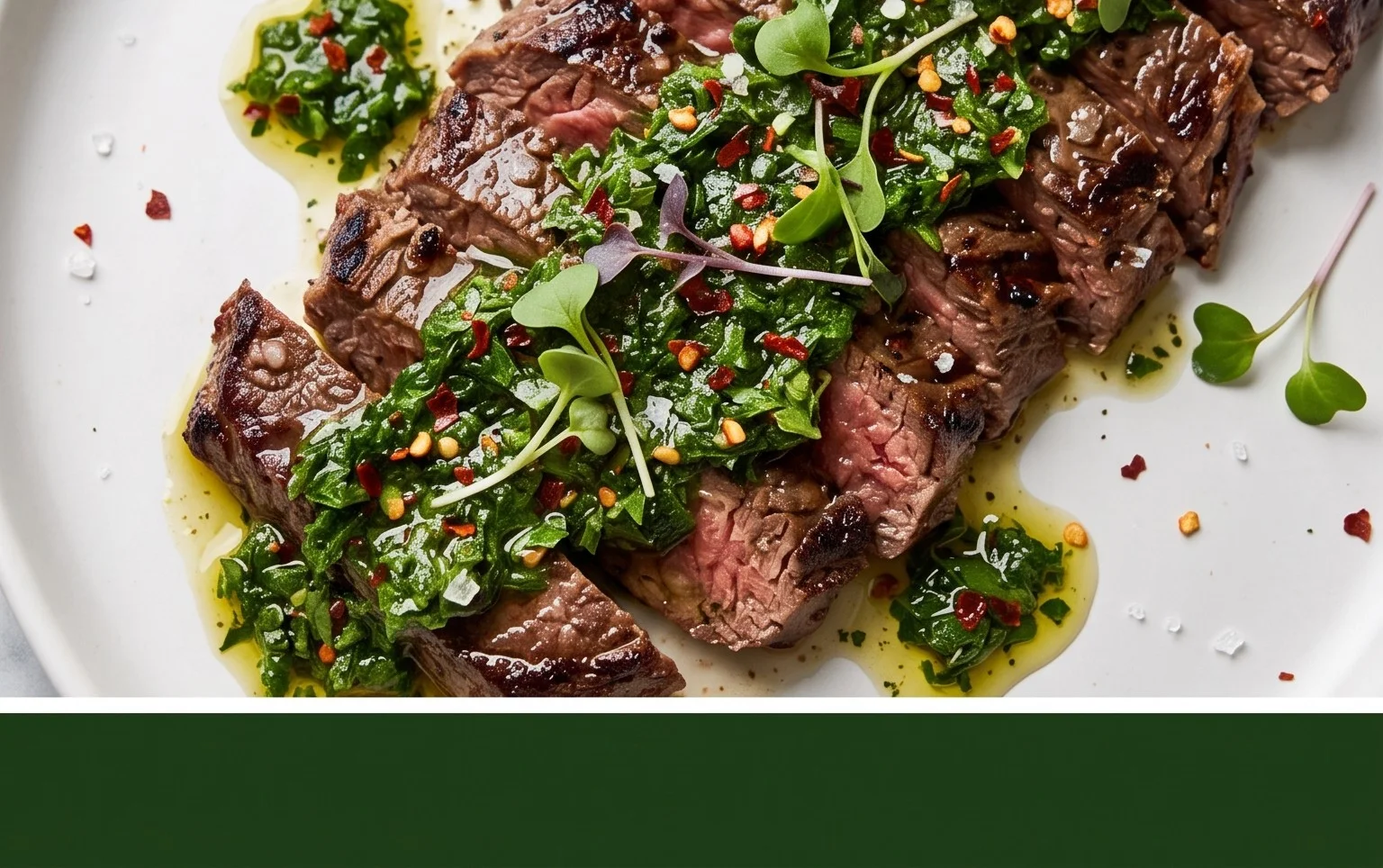
5. Rest and Marinate for Peak Flavor: This is arguably the most important step for developing the full flavor of your chimichurri, so please don’t skip it! Once everything is whisked together, cover the bowl or transfer the chimichurri to an airtight container. Let it sit at room temperature for at least 30 minutes, or ideally, refrigerate it for a couple of hours. This resting period allows all the vibrant flavors of the herbs, garlic, onion, and spices to meld and meld with the olive oil and vinegars. The longer it rests, the more complex and harmonious the flavors will become. Before serving, give it another good stir, as the oil and vinegar might separate slightly. Taste and adjust seasoning if needed – perhaps a little more salt or a squeeze of lemon juice to brighten it up further. This rested chimichurri is fantastic spooned over grilled steak, chicken, fish, or roasted vegetables. It’s also a surprisingly delicious dip for crusty bread. Enjoy!
Conclusion:
There you have it – a simple yet incredibly flavorful chimichurri sauce recipe that’s bound to become a staple in your kitchen! This vibrant green sauce is more than just a condiment; it’s a flavor explosion waiting to happen. Its fresh, herbaceous profile, with a delightful kick of garlic and a hint of tang, makes it the perfect accompaniment to a wide range of dishes. Whether you’re grilling steaks, roasting chicken, or even just enjoying some crusty bread, this chimichurri elevates everything it touches. I truly encourage you to give this chimichurri sauce recipe a try. It’s so easy to make and the difference it makes is remarkable.
For serving, the possibilities are endless! It’s a classic pairing with grilled meats, from juicy steaks and lamb chops to flavorful chicken and beef. Don’t limit yourself, though! It’s also fantastic drizzled over roasted vegetables, fish, or even as a dip for fries. Looking for variations? Feel free to adjust the spice level by adding more or less chili flakes, or experiment with different herbs like cilantro or mint alongside the parsley. You can even add a squeeze of lemon for extra brightness.
Frequently Asked Questions:
How long does chimichurri sauce last?
Properly stored in an airtight container in the refrigerator, your chimichurri sauce should stay fresh for about 3-5 days. The herbs are at their peak flavor within the first couple of days, so enjoy it while it’s at its most vibrant!
Can I make chimichurri sauce ahead of time?
Absolutely! In fact, chimichurri sauce often tastes even better after it has had a chance to sit for a few hours or overnight in the refrigerator. This allows the flavors to meld and deepen beautifully. So, feel free to make a batch a day in advance of your meal.
Chimichurri Sauce Recipe
A vibrant and herbaceous Argentinian sauce perfect for grilled meats, vegetables, or as a marinade.
Ingredients
-
1 cup fresh Italian flat-leaf parsley, leaves only, stems removed
-
1/4 cup fresh cilantro, leaves only, stems removed
-
1/4 cup fresh oregano, leaves only, stems removed
-
1/3 cup roughly chopped red onion or shallots
-
3 cloves garlic, peeled
-
1/2 teaspoon red pepper flakes
-
1/2 cup extra-virgin olive oil
-
1/4 cup red grape juice vinegar
-
3 tablespoons fresh lemon juice
-
1 teaspoon kosher salt
Instructions
-
Step 1
Finely chop the parsley, cilantro, and oregano. Place in a medium bowl. -
Step 2
Add the roughly chopped red onion or shallots and minced garlic to the herb mixture. -
Step 3
Stir in the red pepper flakes. -
Step 4
Pour in the extra-virgin olive oil, red grape juice vinegar, and fresh lemon juice. Stir well to combine. -
Step 5
Season with kosher salt. Taste and adjust seasoning if necessary. -
Step 6
For best flavor, let the chimichurri sauce sit for at least 10-15 minutes before serving to allow the flavors to meld.
Important Information
Nutrition Facts (Per Serving)
It is important to consider this information as approximate and not to use it as definitive health advice.
Allergy Information
Please check ingredients for potential allergens and consult a health professional if in doubt.