Authentic Pasta alla Norma Recipe- Sicilian Eggplant Pasta
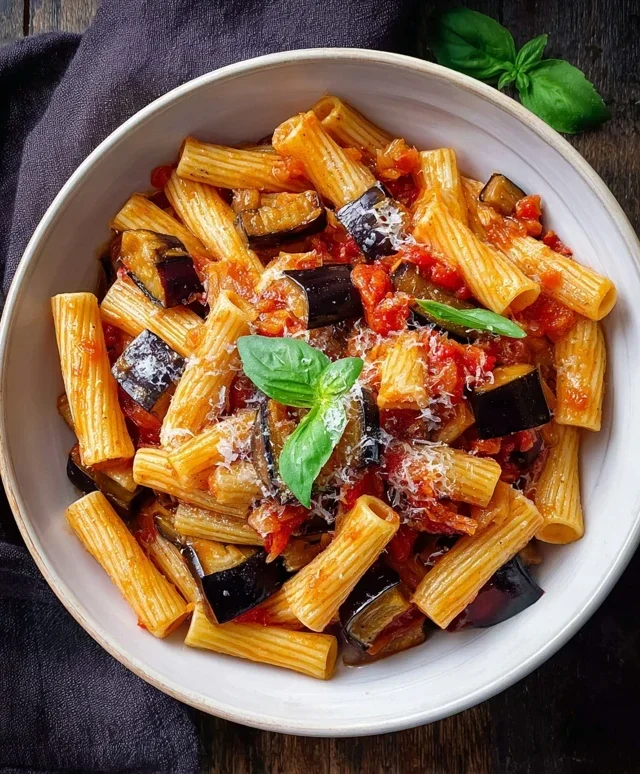
Pasta alla Norma is a true taste of Sicilian sunshine, and it’s one of my absolute favorite pasta dishes to whip up. This classic Italian recipe, hailing from the vibrant city of Catania, embodies simple elegance and pure flavor. What makes Pasta alla Norma so incredibly beloved? It’s the harmonious marriage of sweet, tender eggplant, fragrant basil, and a rich, tangy tomato sauce, all brought together by perfectly cooked pasta and a generous dusting of salty ricotta salata. There’s an undeniable magic in how these humble ingredients transform into something so utterly satisfying and comforting. It’s a dish that feels both rustic and refined, a testament to the power of quality ingredients handled with care. Each bite of Pasta alla Norma is a burst of Mediterranean joy, a reminder of why Italian cuisine holds such a special place in our hearts.
Pasta alla Norma
Pasta alla Norma is a classic Sicilian dish, a vibrant celebration of summer flavors that truly sings with the taste of ripe eggplant and sweet tomatoes. This recipe, rooted in tradition, brings the soul of Catania to your kitchen. The magic lies in the simplicity and quality of the ingredients, allowing each component to shine. It’s a dish that feels both comforting and sophisticated, perfect for a weeknight dinner or a special occasion. I love how the creamy eggplant melds with the rich tomato sauce, all brought together by the salty tang of ricotta salata and the fragrant kiss of basil.
Ingredients:
Cooking Instructions
Preparing the Eggplant: The Heart of the Dish
The first step to a perfect Pasta alla Norma is preparing the eggplant. You’ll want to wash your eggplants thoroughly. Then, trim off the stems. I like to cut the eggplants into roughly 1-inch cubes. It’s crucial to salt the eggplant generously at this stage. You can do this by placing the cubed eggplant in a colander set over a bowl, sprinkling each layer with salt. This process, known as “purgin extractg,” draws out excess moisture and a slight bitterness from the eggplant, leading to a much better texture when cooked. Let them sit for at least 30 minutes, or even up to an hour. You’ll see a surprising amount of liquid collect in the bowl. After salting, rinse the eggplant cubes very well under cold water to remove the salt, and then pat them completely dry with paper towels. This drying step is essential to ensure the eggplant fries up beautifully rather than steams.
Frying the Eggplant: Creating Creamy Goodness
Now comes the fun part – frying the eggplant. Heat the 1/3 cup of extra virgin extract olive oil in a large, deep skillet or Dutch oven over medium-high heat. You want the oil to be hot but not smoking. Carefully add the dried eggplant cubes in batches, being careful not to overcrowd the pan. Overcrowding will steam the eggplant instead of frying it, and we want that lovely golden-brown, slightly crispy exterior and a tender, almost creamy interior. Fry the eggplant until it’s golden brown and tender, turning occasionally. This usually takes about 5-7 minutes per batch. As each batch is cooked, remove it from the skillet using a slotted spoon and place it on a plate lined with paper towels to drain any excess oil. You might need to add a little more olive oil between batches. Once all the eggplant is fried, set it aside.
Crafting the Tomato Sauce: Simplicity is Key
While your eggplant is draining, let’s get started on the tomato sauce. In the same skillet (you can drain off most of the excess oil, leaving about 1-2 tablespoons), add the 2 large garlic cloves, thinly sliced. Sauté the garlic over medium heat until it’s fragrant and just begin extractning to turn golden. Be careful not to burn the garlic, as it can turn bitter. Pour in the 30 oz of canned peeled tomatoes. You can crush them slightly with your spoon as you add them. Bring the sauce to a simmer, then reduce the heat to low, cover, and let it cook for at least 15-20 minutes. This allows the flavors to meld and the tomatoes to break down into a rich, luscious sauce. Season the sauce generously with salt and freshly ground black pepper to your taste.
Bringin extractg it All Together: The Magic Happens
Once the tomato sauce has simmered and the eggplant is ready, it’s time to combine the elements. Add about two-thirds of the fried eggplant cubes directly into the simmering tomato sauce. Stir them in gently, allowing them to absorb some of the sauce and soften further. Reserve the remaining fried eggplant for garnishing later; this gives you a lovely textural contrast.
Meanwhile, bring a large pot of generously salted water to a rolling boil. Add the 12 oz of short pasta, preferably casarecce, as its ridges are perfect for holding the sauce. Cook the pasta according to package directions until it’s al dente – tender but still with a slight bite. Before draining the pasta, reserve about a cup of the starchy pasta water. This water is liquid gold and will help emulsify the sauce and create a silkier texture. Drain the pasta and add it directly to the skillet with the tomato sauce and eggplant.
Toss the pasta and sauce together gently. If the sauce seems a little thick, add a splash of the reserved pasta water, a tablespoon at a time, until you reach your desired consistency. The starch in the water will help the sauce cling beautifully to every piece of pasta.
The Finishing Touches: Herbs and Cheese
Now for the final flourish. Tear a good handful of fresh basil leaves and stir them into the pasta. The heat from the pasta and sauce will release their incredible aroma. Gently stir to distribute the basil throughout the dish.
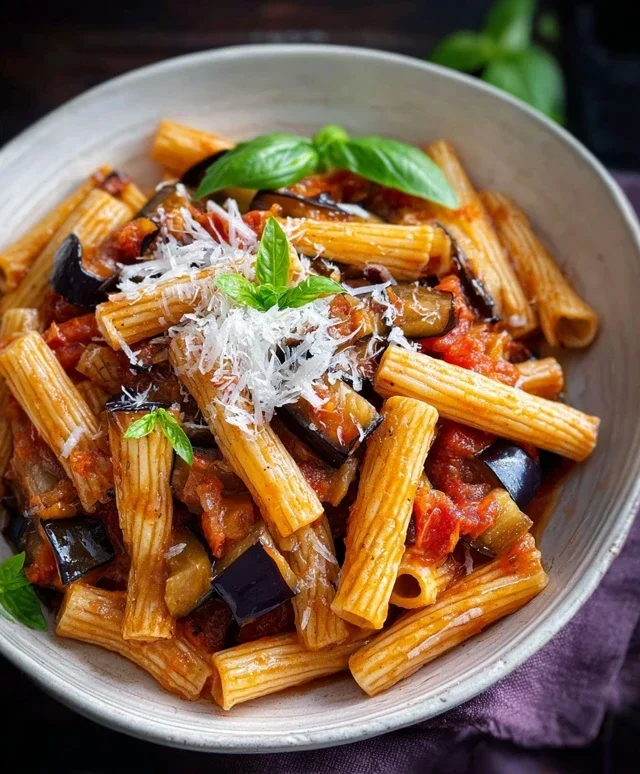
To serve, ladle the pasta alla Norma into warm bowls. Top each serving with the reserved fried eggplant cubes, which will provide a delightful crunch. Finally, generously sprinkle with the 1/3 cup of grated ricotta salata cheese. This firm, salty sheep’s milk cheese is traditional for Pasta alla Norma and provides a wonderful counterpoint to the sweet tomatoes and creamy eggplant. A final grind of black pepper is always welcome. Serve immediately and enjoy the taste of Sicily!
Conclusion:
And there you have it – the steps to creating your own delicious Pasta alla Norma! This classic Sicilian dish is a testament to the beauty of simple, fresh ingredients coming together in perfect harmony. The creamy eggplant, the vibrant tomato sauce, and the salty ricotta salata create a flavor profile that is both comforting and sophisticated. It’s incredibly satisfying to make and even more so to eat, offering a true taste of authentic Italian cuisine right in your own kitchen. I truly believe this recipe is a winner for anyone looking for a flavorful and relatively straightforward pasta dish.
Pasta alla Norma is wonderfully versatile when it comes to serving. It shines on its own as a main course, but you can also pair it with a simple green salad and some crusty bread for a complete meal. For a touch of elegance, a sprinkle of fresh basil leaves just before serving adds a burst of aroma and color. Don’t be afraid to experiment with variations! If you’re not a fan of eggplant, you could try zucchini for a lighter take, or add a pinch of red pepper flakes to the sauce for a subtle kick. The core essence of this dish is so adaptable, allowing you to make it your own. I encourage you all to give this wonderful Pasta alla Norma recipe a try – you won’t be disappointed!
Frequently Asked Questions about Pasta alla Norma:
Can I make Pasta alla Norma ahead of time?
Yes, you can definitely prepare components of Pasta alla Norma in advance. The tomato sauce can be made a day or two ahead and stored in the refrigerator. The eggplant can also be fried or roasted ahead of time, but it’s best to reheat it gently just before adding it to the sauce to maintain its texture. Cooking the pasta just before serving is recommended for the best al dente result.
What kind of pasta is traditionally used?
While many pasta shapes work well, traditionally, rigatoni or penne are often used for Pasta alla Norma as their ridges and hollow centers help to capture the delicious sauce. However, spaghetti or bucatini are also excellent choices and offer a delightful experience.
Is ricotta salata absolutely necessary?
Ricotta salata is a key ingredient that provides a unique salty and slightly tangy counterpoint to the sweetness of the tomatoes and the richness of the eggplant. While you can substitute it with grated Pecorino Romano or Parmesan cheese if absolutely necessary, it will alter the authentic flavor profile of this classic Sicilian dish. I highly recommend seeking out ricotta salata for the most genuine experience.
Pasta alla Norma
A classic Sicilian pasta dish featuring tender fried eggplant, a rich tomato sauce, and salty ricotta salata.
Ingredients
-
23 oz (660g) Italian eggplants (approximately 2 medium eggplants)
-
30 oz (850g) canned peeled tomatoes
-
2 large garlic cloves
-
1/3 cup extra virgin olive oil
-
Handful of fresh basil leaves
-
12 oz (340g) short pasta (casarecce recommended)
-
Salt to taste
-
Black pepper to taste
-
1/3 cup ricotta salata cheese, grated
Instructions
-
Step 1
Cut the eggplants into 1/2-inch cubes and salt them generously. Let them sit for 30 minutes to draw out moisture, then rinse and pat them dry. -
Step 2
Heat the olive oil in a large skillet over medium-high heat. Fry the eggplant cubes in batches until golden brown and tender. Remove and set aside on paper towels. -
Step 3
In the same skillet, add a little more olive oil if needed. Sauté the minced garlic until fragrant, about 1 minute. -
Step 4
Add the canned peeled tomatoes to the skillet, breaking them up with a spoon. Season with salt and pepper. Simmer for 15-20 minutes, until the sauce has thickened slightly. -
Step 5
Meanwhile, cook the pasta in a large pot of salted boiling water according to package directions until al dente. -
Step 6
Add the fried eggplant to the tomato sauce and stir gently. Add most of the fresh basil leaves, torn. -
Step 7
Drain the pasta and add it directly to the skillet with the sauce and eggplant. Toss to combine. -
Step 8
Serve immediately, garnished with the grated ricotta salata cheese and the remaining fresh basil leaves.
Important Information
Nutrition Facts (Per Serving)
It is important to consider this information as approximate and not to use it as definitive health advice.
Allergy Information
Please check ingredients for potential allergens and consult a health professional if in doubt.